Free starter kit · 10 templates · 1 character
Facts and explainer channel starter kit
Explainer and “did you know” channels win when complicated things become simple. This kit gives you Stix, a stick-figure teacher who walks viewers through your script, three learning backgrounds, and ten overlays that do the explaining: fact cards, top-10 countdowns, size comparisons, a 3D globe zoom, timelines and a true-or-false quiz.
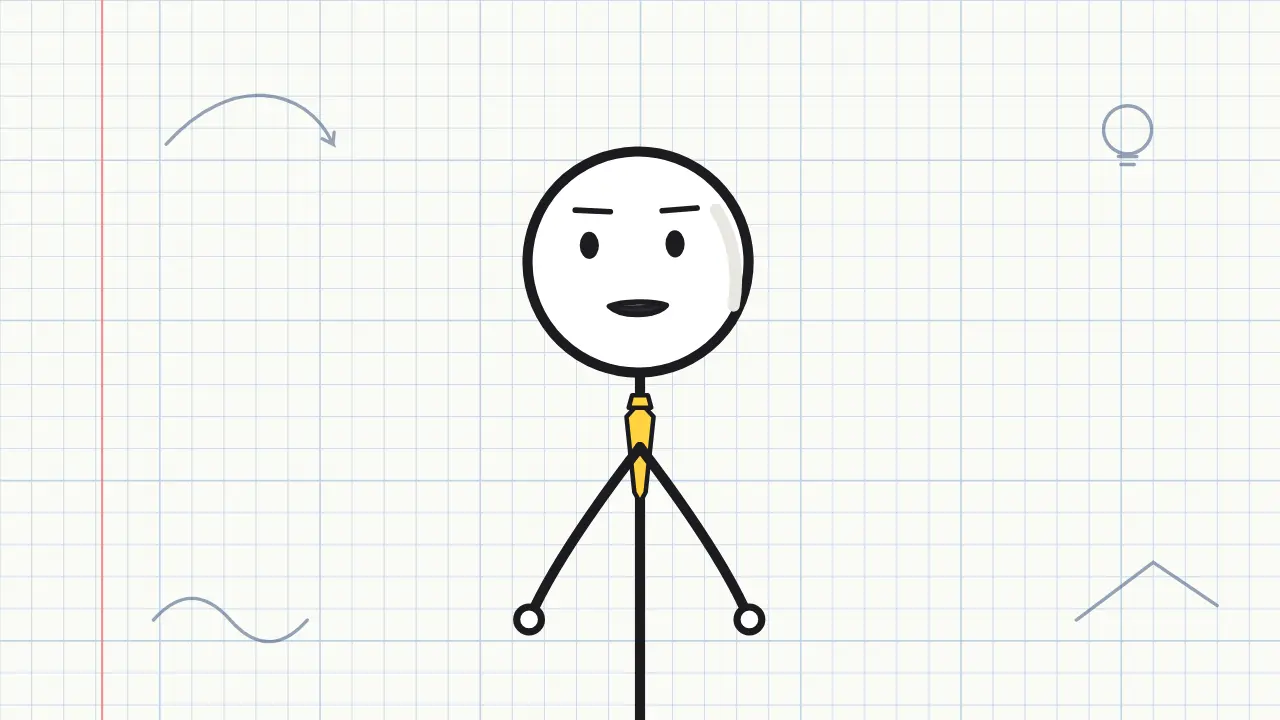
Your host: Stix
Stick figure explainer. Read your script out loud and Stix speaks it, with mouth shapes that follow your voice. More about Stix →
- ClassroomOpen Stix with this background →
- Graph paperOpen Stix with this background →
- SpaceOpen Stix with this background →

10 overlays for every episode
In the order they usually appear in a video: Did you know? fact card, The facts you need to know, Top 10 number transition, Top countdown and more. Each one opens in the editor with your text; export it as MP4 or as a transparent .mov.
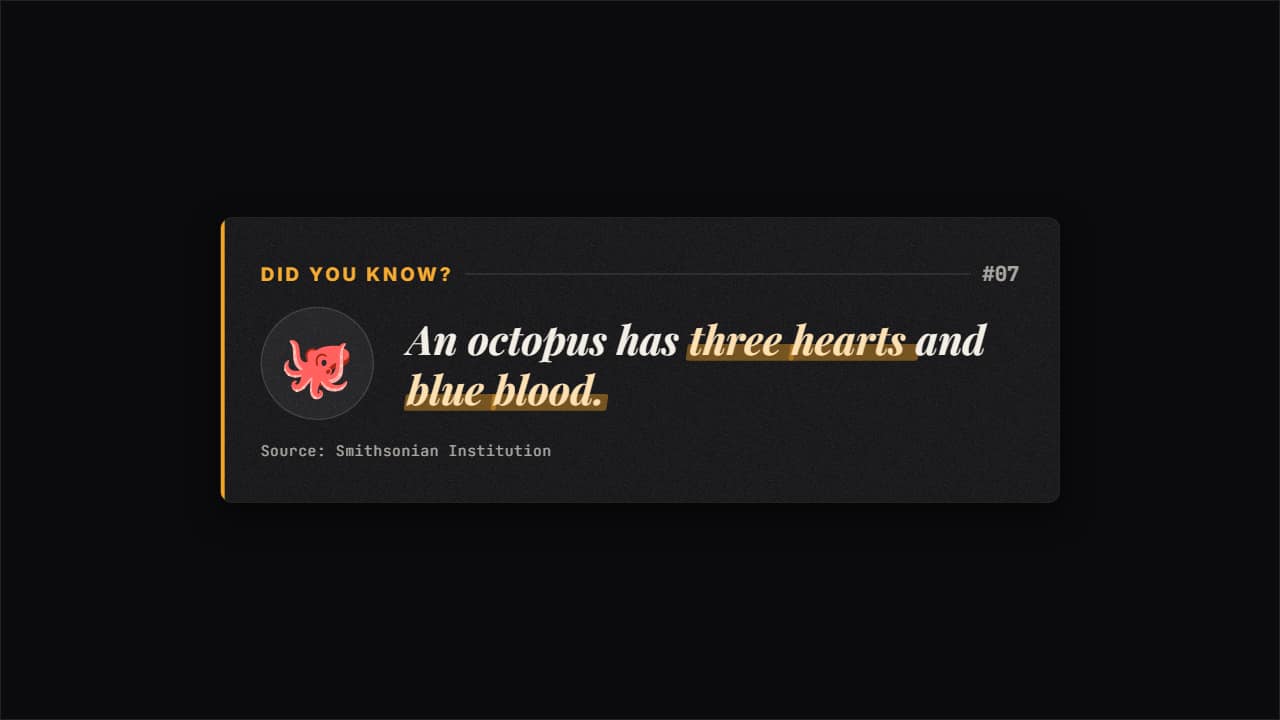 Did you know? fact cardThe card used by fun-fact and faceless channels: «DID YOU KNOW?
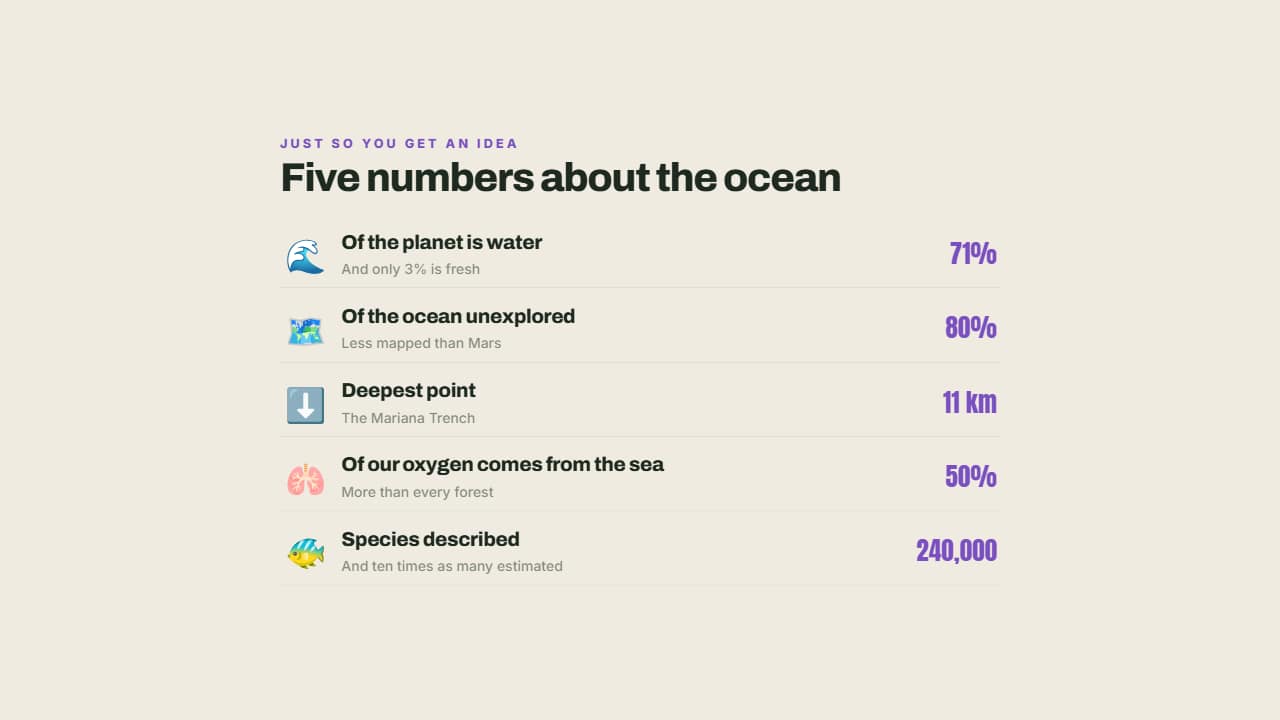 The facts you need to knowEach fact with its emoji, its small explanation and the figure large on the right.
 Top 10 number transitionThe transition between entries of a top 10: two color planes sweep the screen diagonally and COVER the cut…
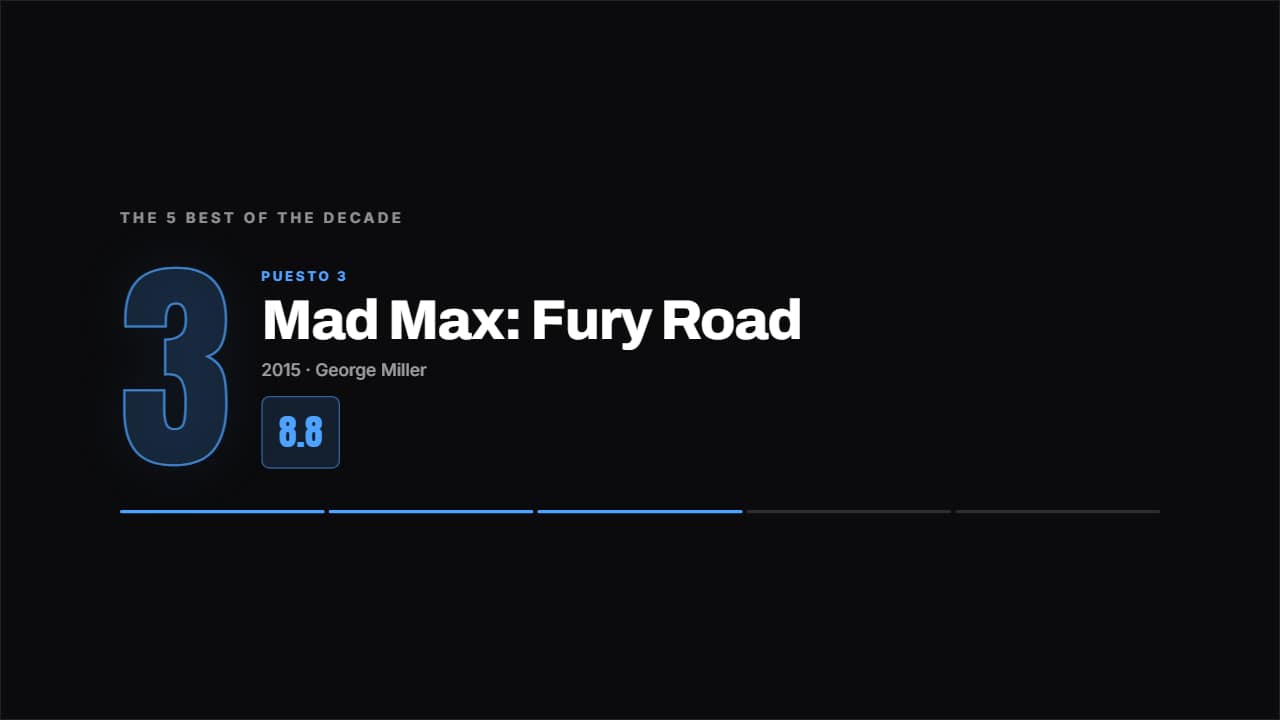 Top countdownOne place per screen, from last to first, with the giant number behind and the figure counting up.
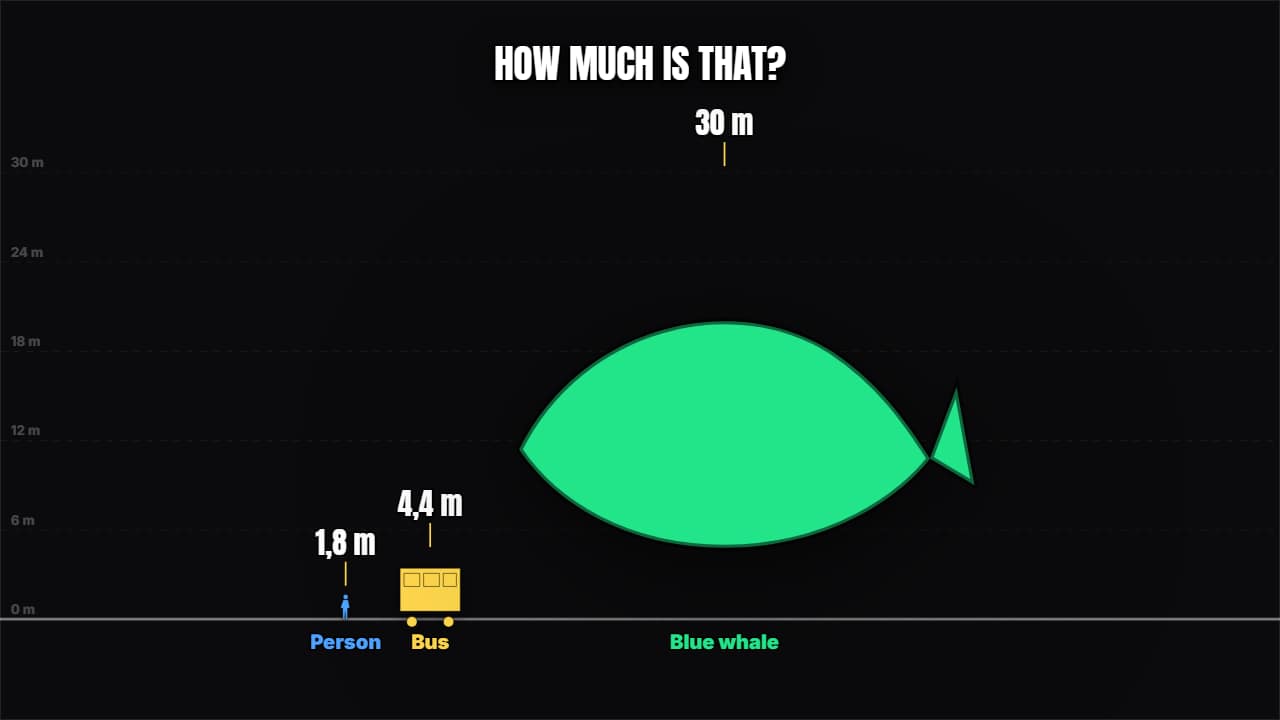 Size comparisonSilhouettes drawn to real scale over a ruler: "this is as long as 3 buses".
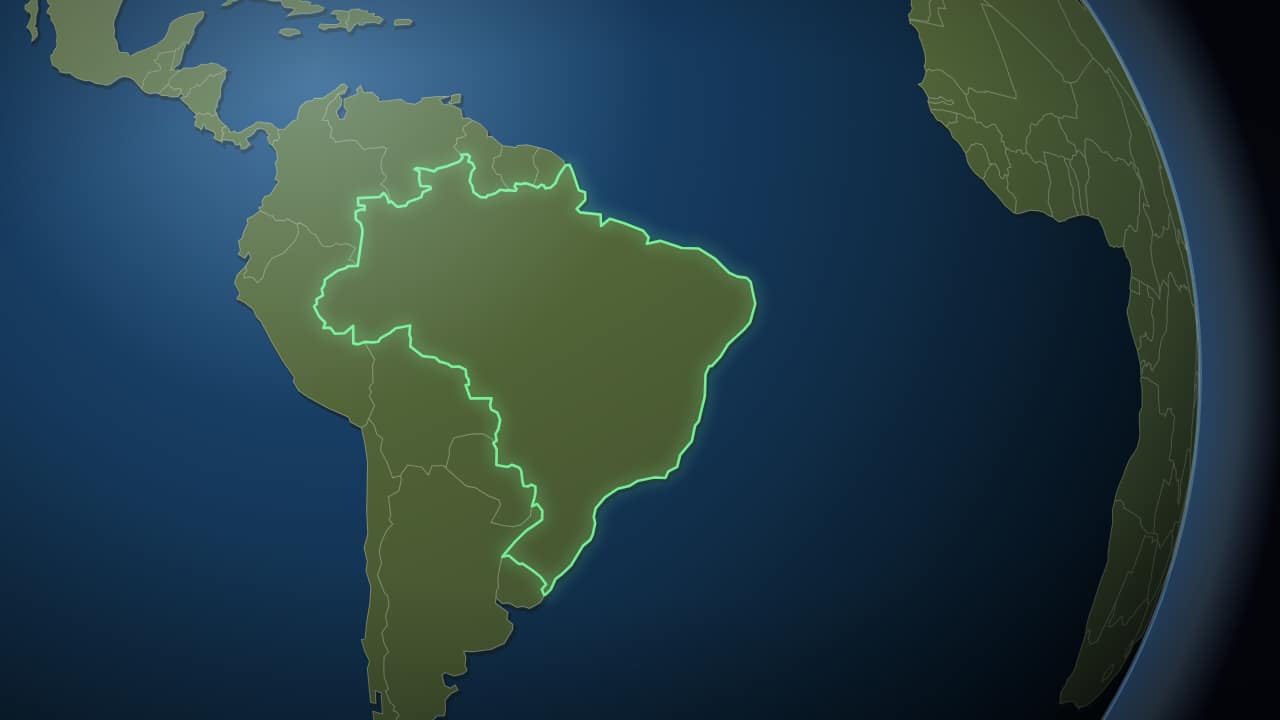 To the country, in two secondsThe same trip without the wait: the camera sets off almost immediately and lands on the country in a little…
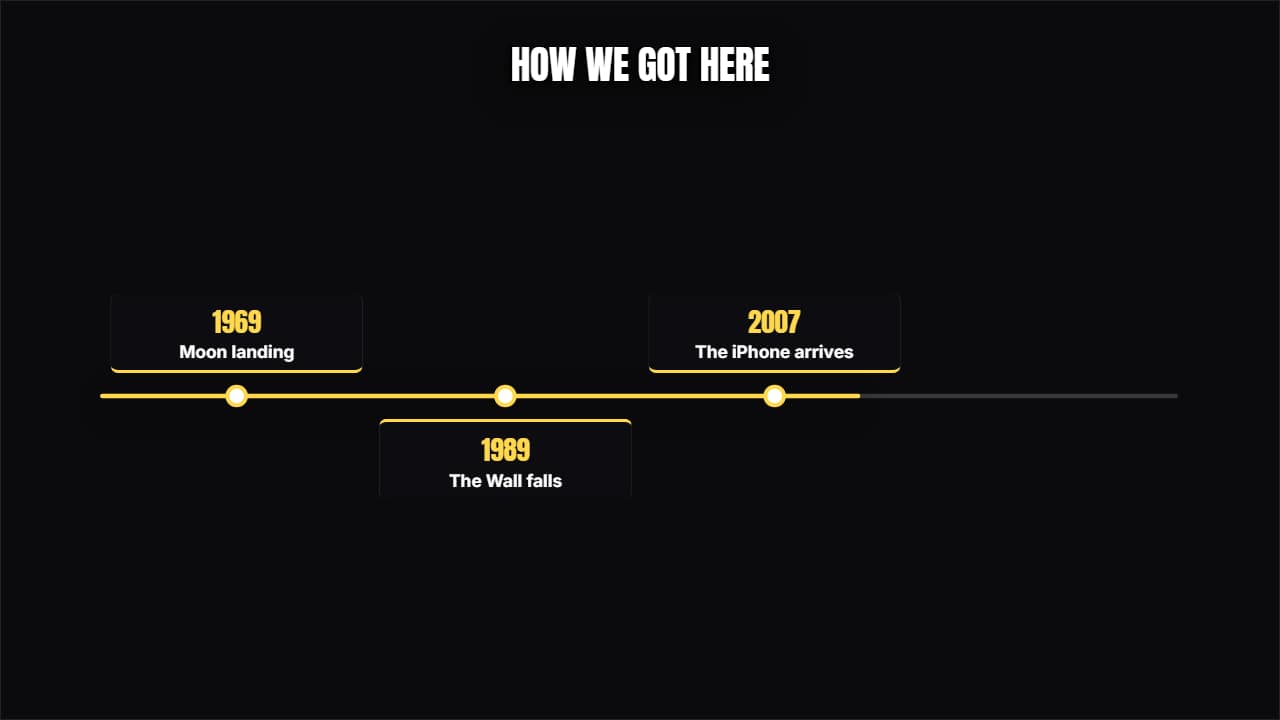 TimelineThe line advances and each milestone opens its card above and below, alternating.
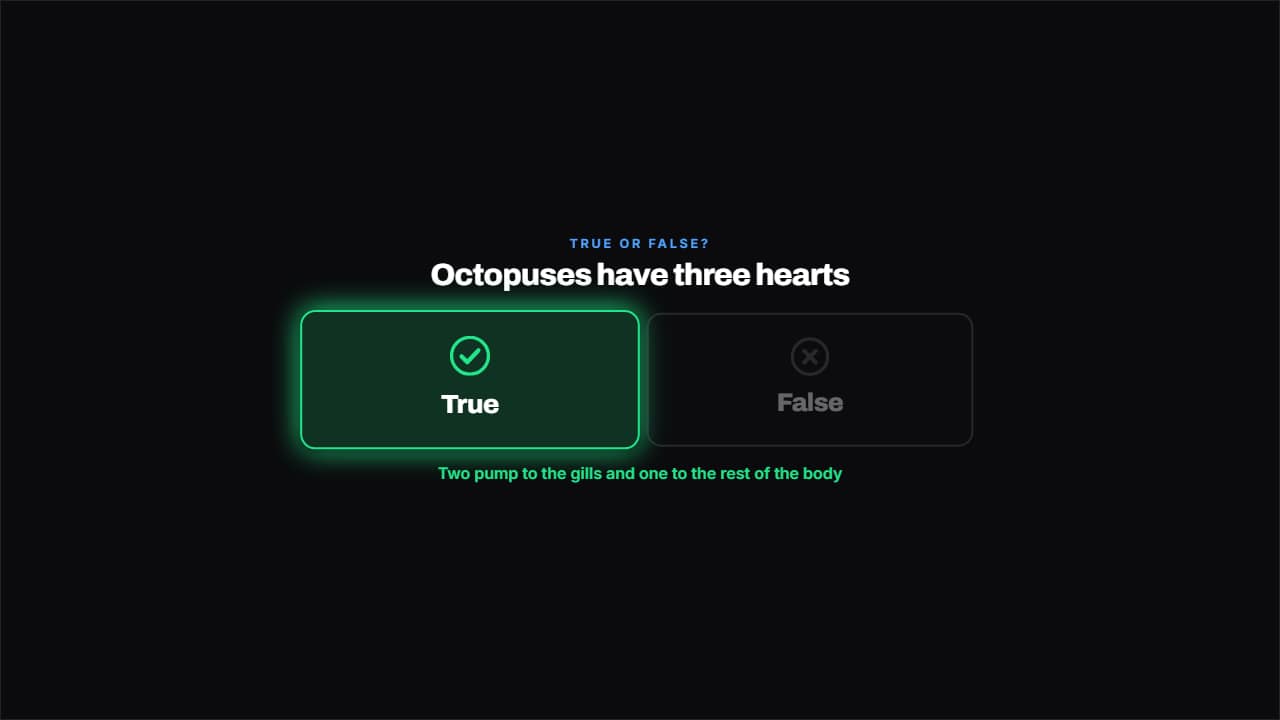 True or falseTwo big columns with a tick and a cross, and the right one lights up on the reveal.
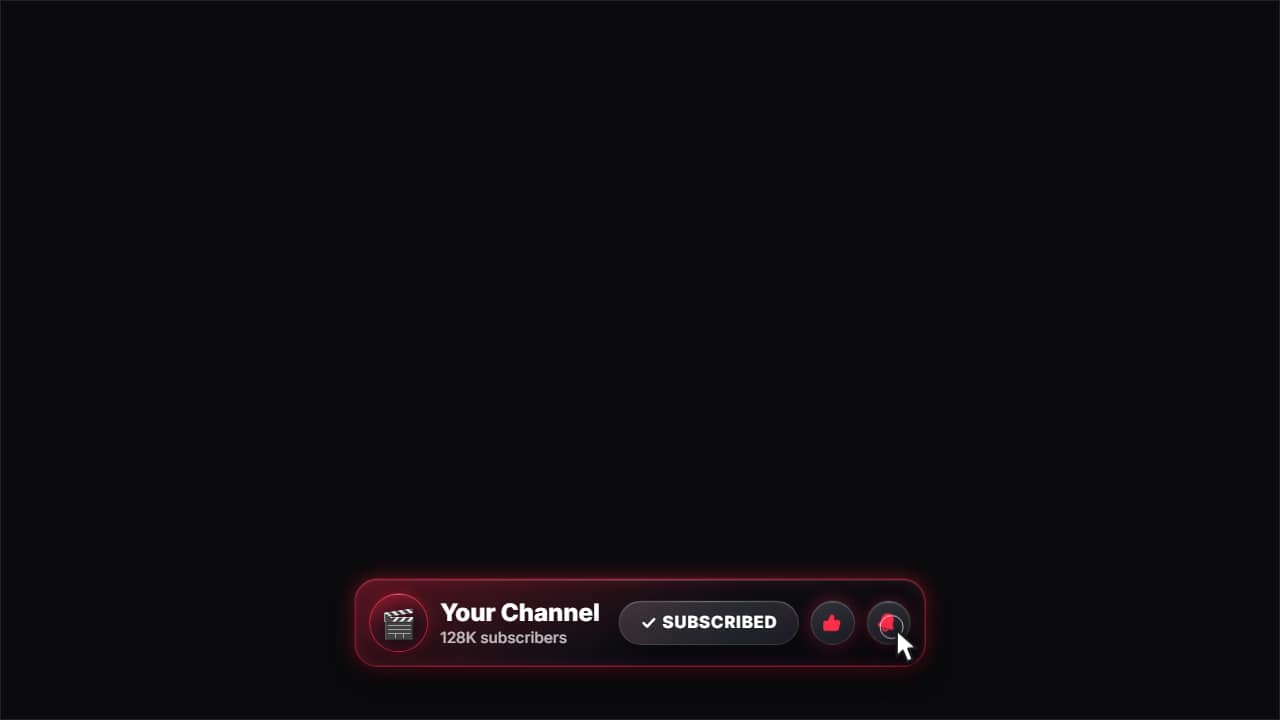 Glass subscribe cardYour channel card in glass: avatar, name and subscriber count.
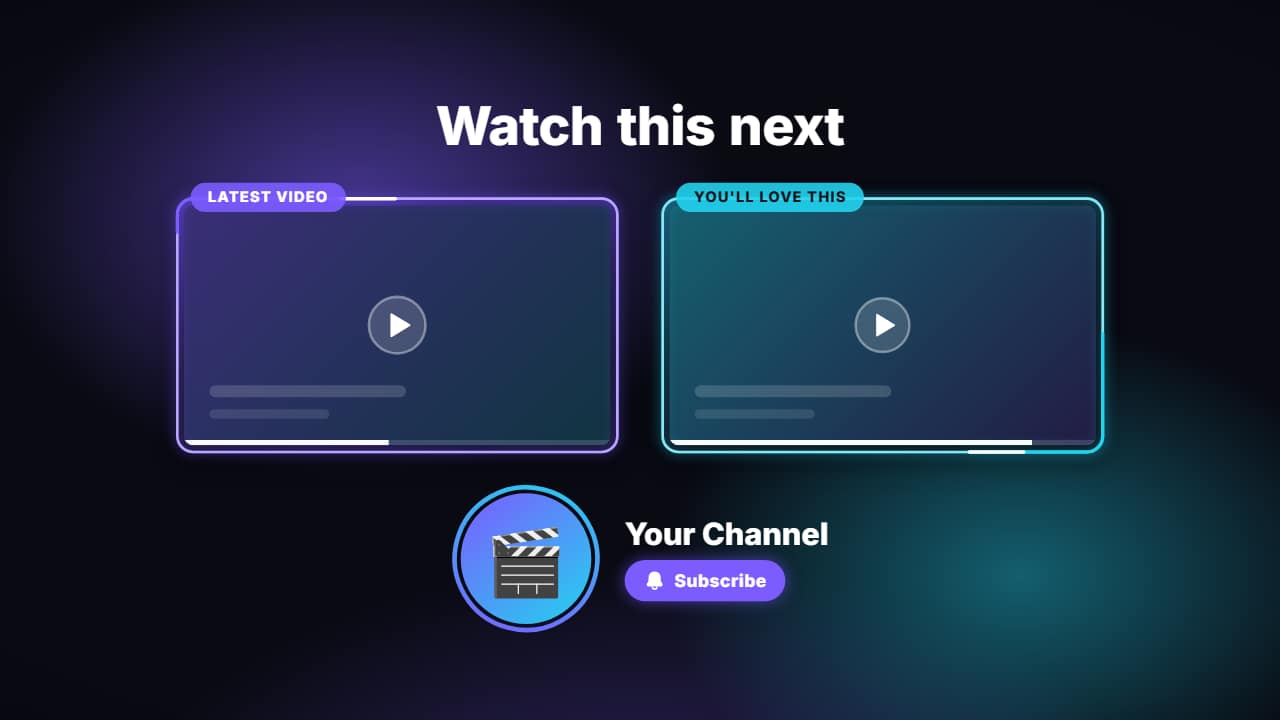 End screenThe last seconds of your video: a title («Watch this next»), two 16:9 slots where YouTube puts its…
5 hooks to open your first videos
- 1
We know more about the Moon than about the ocean floor. Here's why.
Stix says it → - 2
Explained in 7 steps: how does the ocean floor actually work?
Stix says it → - 3
What would happen if the ocean floor disappeared tomorrow?
Stix says it → - 4
Why does nobody talk about the ocean floor?
Stix says it → - 5
Is the ocean floor actually worth it for curious people? Let's find out.
Stix says it →
What works on facts and explainer channels
One question per video, answered properly, beats a pile of loose trivia. “Why is the ocean salty?” gives you a hook, a structure and a payoff; a list of 50 random facts gives viewers no reason to stay past the third.
Show, don't just tell. A size comparison, a map zoom or a timeline turns a sentence into something viewers can see, and those visual beats are what people screenshot and share. Ask a quick quiz question halfway through to bring attention back.
Series beat one-offs. “Every planet compared”, “Countries explained in 5 minutes” or a weekly “3 facts you didn't know” give viewers a reason to subscribe, because they know what the next episode will bring. Keep the same intro, the same fact card style and the same host so each video feels like part of a set.
Your first video, step by step
- Pick one question your audience actually searches.
- Write a 5–8 minute script with three visual moments.
- Open Stix in the classroom scene and record your voice.
- Drop in the fact cards, comparison and quiz where the script needs them.
5 ideas for your first month
- Why is the ocean salty, but rivers aren't?
- Every planet's size compared, starting with the Moon.
- Top 10 inventions that were discovered by accident.
- How a country's borders were drawn: one map, zoomed step by step.
- True or false: ten facts everyone learned at school.
Mistakes that hold explainer channels back
- Unchecked facts. One wrong number in the comments can undo the trust a channel needs; keep your sources in the description.
- Copying the script structure of a bigger channel topic by topic. Reused or lightly changed content is not eligible for monetization.
- Burying the answer. If the title asks a question, the video must answer it — preferably before the end screen.
Sources: YouTube Help — channel monetization policies, disclosing altered or synthetic content (checked Nov 6, 2026).
Estimated long-form RPM
$5 – $12
Per 1,000 views, mostly-US audience. A third-party estimate: YouTube doesn't publish RPM by niche. Run the numbers →
Before every upload
Title, thumbnail, chapters, end screen, hashtags and captions in one list. Open the checklist →
Questions
- Do explainer channels need a face on camera?
- No. Clear visuals and a consistent host do the job; a stick-figure teacher keeps it simple and recognizable.
- Where do I find reliable facts?
- Primary sources: official statistics, encyclopedias with references, research summaries. Link them in the description.
- Shorts or long videos for facts?
- Both: a long video that explains, and Shorts that ask the question and give the most surprising part.
 Horror stories
 AI news
 Stoicism
 Personal finance
 Gaming